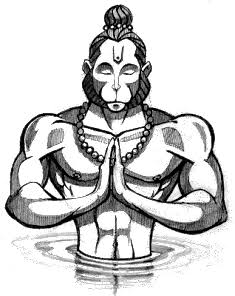
Pancha Preeti – Five Vedic Sadhanas to get Moksha!
Vedic Pancha Preeti is a set of five practices that can help an individual lead a disciplined and spiritual life. The five practices are:
1. Pranayam
Pranayama is the practice of controlling one’s breath. In Vedic tradition, breath is considered as the carrier of life force or prana. Pranayama is a powerful practice that helps to purify the body, mind, and soul. It involves various breathing techniques and exercises that help to increase the intake of oxygen and release of carbon dioxide in the body. Practicing Pranayama regularly helps to reduce stress, anxiety, and depression, and improves overall physical and mental health. One should start their day with Pranayama in Brahma-muhurta, which is the period before sunrise.2. Aradhana
Aradhana is the practice of paying reverence to one’s chosen deity or god. This practice helps to cleanse the mind and stay focused throughout the day. One should complete their Aradhana before breakfast, which should be before 8:00 AM.3. Sadhana
Sadhana is a term used in Vedic practice to refer to a focused and disciplined daily routine aimed at achieving a specific goal. The specific practices and goals of Sadhana can vary based on an individual’s stage of life, or Ashram.

According to Vedas, there are four Ashrams or stages of life, which are Brahmacharya, Grihastha, Vanaprastha, and Sanyasa. Each Ashram has its specific Sadhana or practices to achieve its goals.

For the Brahmacharya Ashram, which is the stage of life focused on education and learning, the Sadhana is focused on acquiring knowledge and attaining success in Gyan Yoga.

For the Grihastha Ashram, which is the stage of life focused on earning a livelihood and raising a family, the Sadhana is focused on excelling in Karm Yoga, earning respect, goodwill, and money, and helping others in need.

For the Vanaprastha Ashram, which is the stage of life after retirement, the Sadhana is focused on renouncing material possessions and devoting oneself to the feet of the lord, donating as much as possible in charity, and focusing on Bhakti Yoga.

For the Sanyasa Ashram, which is the stage of life focused on renunciation and spiritual pursuit, the Sadhana is focused on achieving Moksha or liberation through practicing Moksha Yoga and focusing on the singularity of the self.

Overall, Sadhana in Vedic practice is a daily routine focused on achieving a specific goal based on an individual’s stage of life or Ashram. It involves discipline, focus, and dedication to achieve one’s ultimate goal. One should perform Sadhana within a fixed period of time every day, starting in the morning and ending in the evening (9:00 AM to 6:00 PM).
4. Vandana
Vandana is the practice of paying respect to Mother Earth and the environment. In Vedic tradition, Vandana is not just limited to showing respect to humans, but it is also about showing respect to nature and the environment. Vandana helps to develop a sense of humility, gratitude, and respect towards all living beings and the environment. One should complete their Vandana within one and a half hours after sunset, which is before 7:30 PM.5. Dhyana
Dhyana is the practice of meditation and self-reflection. It helps individuals to connect with their inner self and achieve a state of mental calmness and clarity. One should start their Dhyana after dinner, which is after 9:00 PM and should end by 11:30 PM. Kalpa Kriya Yoga along with the help of Manarodhaka Tantra can be used to stabilize the mind during meditation.To watch detailed video, we are working on it! We’ll upload it soon!!!
Dhanyavaad 🙏🏼


Leave a comment